

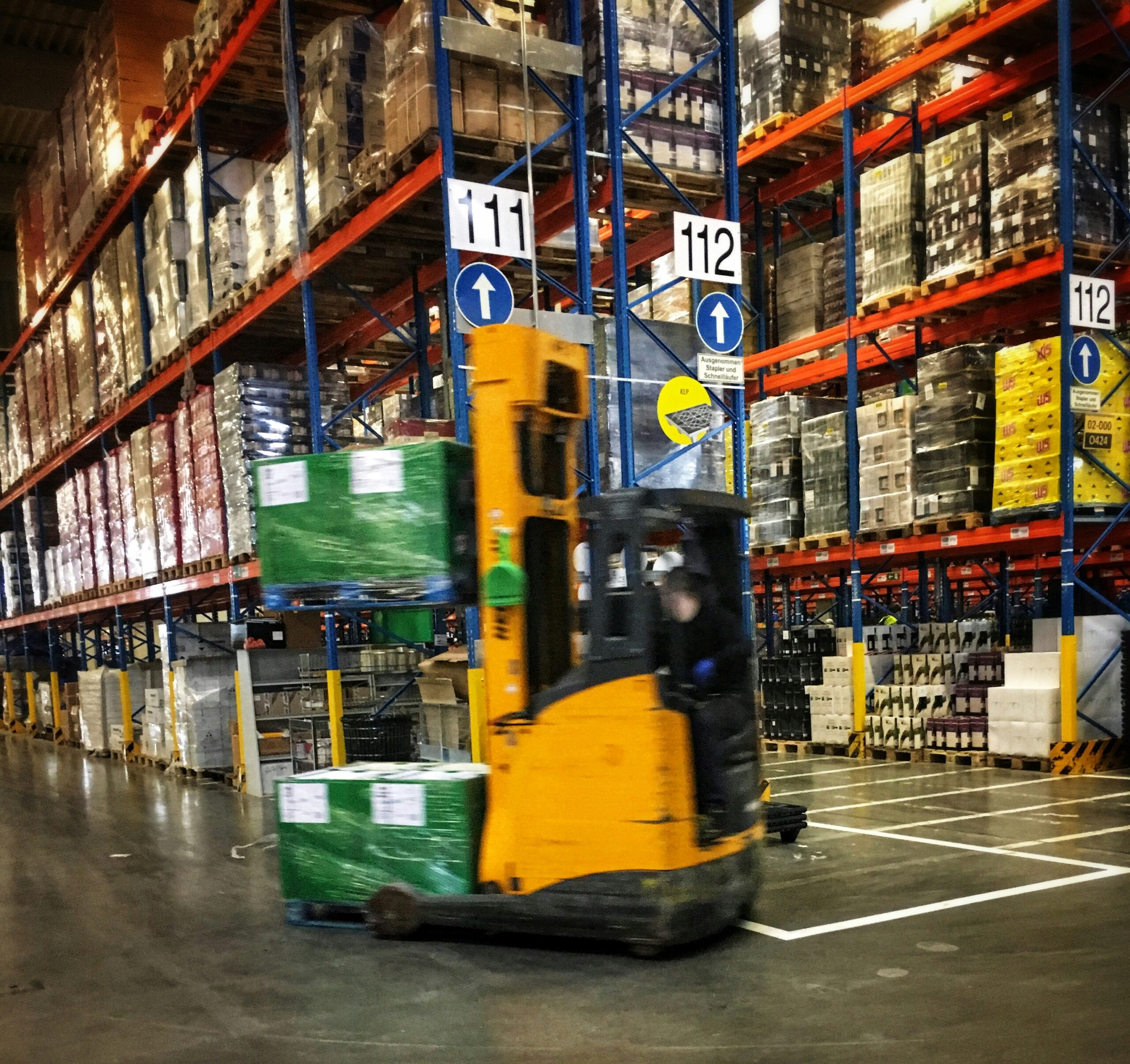
OSHA Forklift Operator Training Requirements: What Every Employer Should Know
Employers are responsible for providing forklift operators with formal instruction, practical training, workplace evaluation, and refresher training whenever OSHA-defined conditions require it.
09/09/2026
Forklifts are essential in warehouses, manufacturing facilities, and industrial operations, but they must be operated by trained, competent employees. Under federal rules for powered industrial trucks, employers are responsible for ensuring operators complete the required training and evaluation before operating equipment independently.
Understanding OSHA forklift operator training requirements can help employers create a compliant program, document operator competency and recognize when additional training is necessary.
Who Must Complete Forklift Operator Training?
Any employee who operates a powered industrial truck must receive training appropriate to the equipment and workplace. This includes operators of many rider and walk-behind trucks, such as:
- Counterbalance forklifts
- Reach trucks
- Order pickers
- Powered pallet trucks
- Rough-terrain forklifts
- Other covered powered industrial trucks
An employee’s experience at another company does not automatically authorize that person to operate equipment at a new workplace. Employers must consider whether previous training applies to the truck and conditions the employee will encounter, then evaluate the employee’s competency. OSHA also prohibits most workers younger than 18 from operating forklifts in nonagricultural employment.
The Three Required Parts of Forklift Training
OSHA forklift training requirements call for a combination of formal instruction, practical training, and evaluation. An online course or classroom presentation alone does not satisfy the entire requirement.
1. Formal Instruction
Formal instruction builds the operator’s knowledge and may include lectures, discussions, written materials, videos, or interactive learning. Training should address applicable truck-related topics, including:
- Operating instructions, warnings, and precautions
- Differences between a forklift and an automobile
- Controls and instrumentation
- Engine or motor operation
- Steering and maneuvering
- Visibility restrictions
- Fork and attachment operation
- Vehicle capacity and stability
- Inspection and maintenance responsibilities
- Refueling or battery charging
- Operating limitations
2. Practical Training
The practical portion includes demonstrations by the trainer and exercises performed by the trainee. Operators need an opportunity to practice on the type of truck they will use under conditions that reflect their job. Practical instruction may cover traveling, turning, approaching loads, lifting, stacking, parking, and working around site-specific hazards.
3. Workplace Evaluation
A qualified evaluator must observe the employee operating the truck and determine whether the employee can perform the work competently. Operators should not be assigned to independent forklift operation until they successfully complete the required training and evaluation. Trainees may operate a truck only under the direct supervision of a qualified person and where that activity does not endanger the trainee or other employees.
Training Must Cover the Workplace
Forklift operator training requirements are not limited to the machine. Employers must also address hazards and operating conditions within the facility.
Applicable workplace topics may include:
- Floor and surface conditions
- Load stability and composition
- Pedestrian traffic
- Narrow aisles and restricted areas
- Ramps and grades
- Hazardous locations
- Closed environments and ventilation
- Loading docks and trailer entry
- Areas where forklifts operate near people
- Other site-specific conditions
Training should reflect the actual workplace. A general course cannot account for every dock, intersection, rack layout, or traffic pattern at a facility. Businesses in Harvey, Hillside, Joliet, and throughout Greater Chicagoland should also ensure their programs address the trucks, loads, and facility conditions specific to each location.
Who Can Conduct OSHA Forklift Training?
Training and evaluation must be conducted by a person with the knowledge, training, and experience needed to train operators and assess their competence. OSHA does not require trainers to hold a particular government-issued credential.
A qualified trainer may be an employer, experienced employee, or outside training provider. Regardless of who conducts the course, the employer remains responsible for ensuring the operator is properly trained, evaluated, and authorized.
Voss Equipment offers forklift operator training and certification support for businesses seeking help with their training programs.
What Are the Documentation Requirements?
OSHA forklift certification requirements place responsibility on the employer to certify that each operator has been trained and evaluated. The certification record must include:
- Operator’s name
- Date of training
- Date of evaluation
- Identity of the person or people who performed the training or evaluation
The term “forklift certification” often suggests a universal license or card. OSHA does not issue a national forklift license that follows an operator to every employer and facility. Certification is the employer’s documentation that the operator completed the required training and evaluation for applicable equipment and conditions.
How Often Is Forklift Training Required?
OSHA forklift training frequency is frequently misunderstood. The standard does not require every operator to repeat a complete training course annually. However, each operator’s performance must be evaluated at least once every three years. This triennial evaluation is central to forklift recertification requirements, but employers should not wait three years when refresher training is triggered sooner. The employer also has the right to implement more frequent training.
When Is Refresher Training Required?
OSHA forklift refresher training must be provided on relevant topics when:
- An operator is observed using a truck unsafely
- An operator is involved in an accident or near-miss
- An evaluation shows unsafe operation
- An operator is assigned a different type of truck
- Workplace conditions change in a way that could affect safe operation
Refresher training must include an evaluation of its effectiveness. The content should address the issue that created the need for training rather than automatically repeating unrelated material.
Employer Checklist for Forklift Training Compliance
Use this checklist to review your program:
- Identify every employee who operates powered industrial trucks
- Match training to each equipment type
- Include formal instruction and practical exercises
- Address site-specific hazards
- Use qualified trainers and evaluators
- Evaluate operators before independent operation
- Document training and evaluation dates
- Schedule evaluations at least every three years
- Provide refresher training when a triggering event occurs
- Update training when equipment or workplace conditions change
Training should work alongside equipment inspections, preventive maintenance, traffic controls, and clear operating procedures. Employers can also review our forklift and warehouse telemetry services when considering tools that provide additional visibility into impacts and operator activity.
Build Training Around Your Equipment and Workplace
Meeting OSHA forklift operator training requirements involves more than issuing a card after a classroom session. Employers must provide appropriate instruction, practical experience, workplace evaluation, documentation, and refresher training when needed.
Voss Equipment supports employers in Harvey, IL, and throughout Greater Chicagoland, including Hillside and Joliet. Contact our team to discuss forklift safety training requirements for your equipment and facility.