

Pallet Racking vs. Shelving: What’s the Difference?
Summary: Learn the difference between pallet racking vs shelving, including cost, use cases, and how to choose the best warehouse storage system for your operation.
10/24/2025
Choosing the right storage system can shape how your entire warehouse operates. The conversation around pallet racking vs shelving is about efficiency, accessibility, and how your team works from day to day.
Both systems serve important roles, but they’re designed for very different types of inventory and workflows. Understanding the difference between warehouse racking vs shelving is the first step in building a space that supports productivity instead of slowing it down.
The Core Difference Comes Down to How Inventory Is Stored
At a glance, pallet racking and shelving may look similar. Both create vertical storage and help organize inventory. But the way they function, and the type of material they support, are fundamentally different.
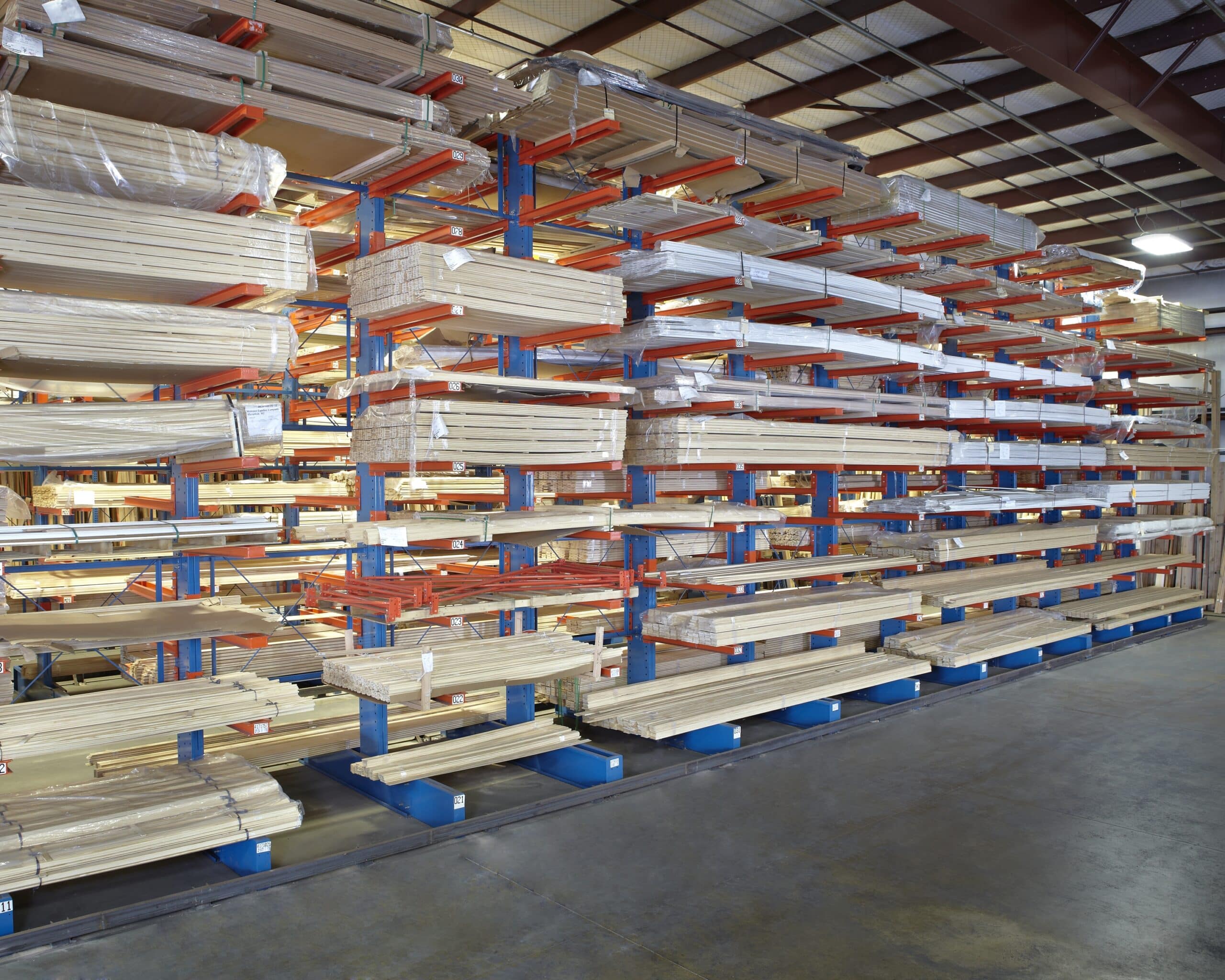
Pallet racking is designed for bulk storage using pallets and lift equipment. It allows warehouses to store heavier loads at height while maintaining access with forklifts or other material handling equipment.
Shelving, on the other hand, is typically used for smaller, hand-loaded items. It supports picking operations where employees retrieve items manually rather than with equipment.
This distinction drives everything else, from layout to equipment needs to overall efficiency.
What Pallet Racking Is Designed to Do
Pallet racking is built for scale. In environments where inventory is received, stored, and moved in palletized loads, racking systems create the structure needed to organize and access that inventory efficiently.
Rather than focusing on individual items, pallet racking supports:
- High-volume storage
- Heavier loads
- Vertical stacking with equipment access
Because these systems rely on forklifts or similar equipment, they also influence aisle width, layout design, and overall warehouse flow. In many operations, pallet racking becomes the backbone of the storage system, especially when inventory moves in larger quantities or needs to be stored at height.
Where Shelving Fits into the Warehouse
Shelving serves a different purpose. Instead of bulk storage, it’s designed for accessibility at the item level.
This makes it ideal for:
- Smaller SKUs
- Parts storage
- Order picking environments
- Operations where items are handled manually
Unlike racking, shelving doesn’t require lift equipment. It allows employees to move through aisles and retrieve items directly, which can be more efficient for certain workflows.
In most warehouses, shelving is used alongside racking rather than replacing it. Each system supports a different part of the operation.
Choosing Based on How Your Inventory Moves
The most important factor in the difference between pallet racking and shelving isn’t the structure itself. It’s how your inventory is handled.
If your operation revolves around pallets, forklifts, and bulk movement, racking is typically the better fit. If your team is picking individual items throughout the day, shelving often provides better accessibility.
A simple way to think about it:
- Pallet racking supports movement by equipment
- Shelving supports movement by people
That distinction directly impacts efficiency. Choosing the wrong system for your workflow can create unnecessary delays and extra handling.
Accessibility vs. Density: The Trade-Off
One of the most common challenges when comparing industrial shelving vs pallet racking is balancing accessibility with storage capacity. Pallet racking allows you to store more inventory vertically and handle heavier loads, but it relies on equipment and may limit direct access to individual items.
Shelving offers immediate access to products, but it typically stores less volume and doesn’t take full advantage of vertical space in the same way.
This is where warehouses often need to make intentional decisions. In many cases, the most effective solution requires understanding where each system adds value.
Cost Considerations: It’s Not Just the System
When evaluating a shelving vs pallet rack cost comparison, it’s easy to focus only on the upfront cost of the system itself. In reality, the total cost depends on how the system fits into your operation.
Pallet racking may involve:
- Higher initial investment in materials
- The need for lift equipment
- Layout adjustments to support equipment movement
Shelving, by comparison, often has a lower upfront cost and doesn’t require specialized equipment. However, it may not support the same storage density or throughput in higher-volume operations.
The right choice depends on how the system impacts your efficiency over time, not just the initial price.
When Each System Makes the Most Sense
There isn’t a universal answer to when to use pallet racking vs shelving, but there are clear patterns based on operational needs.
Pallet racking tends to be the better fit when:
- Inventory is stored and moved in palletized loads
- Vertical storage is needed to maximize capacity
- Forklifts or reach trucks are already part of the operation
Shelving is often the better choice when:
- Items are picked individually
- Inventory is smaller or lighter
- Quick, direct access is more important than storage density
Many warehouses find that combining both systems creates the most efficient setup.
A Smarter Approach: Using Both Systems Together
In practice, the question of pallet rack vs shelving isn’t always an either-or decision. The most effective warehouse storage systems often integrate both. For example, bulk inventory may be stored in pallet racking, while fast-moving or smaller items are kept in shelving closer to picking and packing areas.
This layered approach allows warehouses to:
- Maintain high storage capacity
- Improve picking efficiency
- Reduce unnecessary movement
It also creates a more flexible system that can adapt as inventory and workflows change.
What Storage System Is Best for Your Warehouse?
If you’re asking “what storage system is best for my warehouse,” the answer comes down to alignment. The system should support how your operation actually runs—not how it looks on paper.
That means considering:
- How inventory is received and stored
- How often items are accessed
- Whether movement is handled by people or equipment
- How much vertical space is available
These factors matter more than the system itself. The right solution is the one that reduces friction and improves consistency across your workflow.
Final Thoughts
Understanding warehouse racking vs shelving is less about comparing structures and more about understanding how your warehouse functions. Each system has a clear role. When used correctly, they improve efficiency, organization, and overall performance. When mismatched, they create bottlenecks and slow down operations.
At Voss Equipment, we work with businesses to evaluate their warehouse layout, storage systems, and material handling needs to identify solutions that support real-world operations. Whether it’s pallet racking, shelving, or a combination of both, the goal is to create a system that works as efficiently as your team does.
For warehouses across the greater Chicagoland area, including Harvey, Hillside, and Joliet, making the right storage decision is all about building a system that keeps everything moving. Contact us today to learn more.